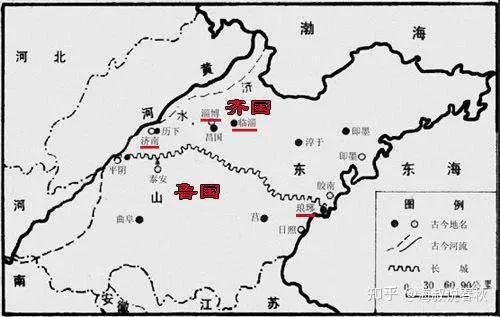
One of the most common questions people ask after learning your name is:
“Where are you from?”
For me, the answer has never stayed the same.
I was born in Zaozhuang, Shandong Province, China.
When I was six years old, my parents moved our family to Weihai, and our household registration moved with us.
As a child in Weihai, when people asked where I was from, I would answer:
“Zaozhuang.”
Later, after graduating from high school and moving to Beijing for study and work, my answer became:
“Shandong.”
Or sometimes:
“Weihai.”
Today, living in Japan, my answer is even simpler:
“I’m Chinese.”
As my world expanded, so did my understanding of where I belonged.
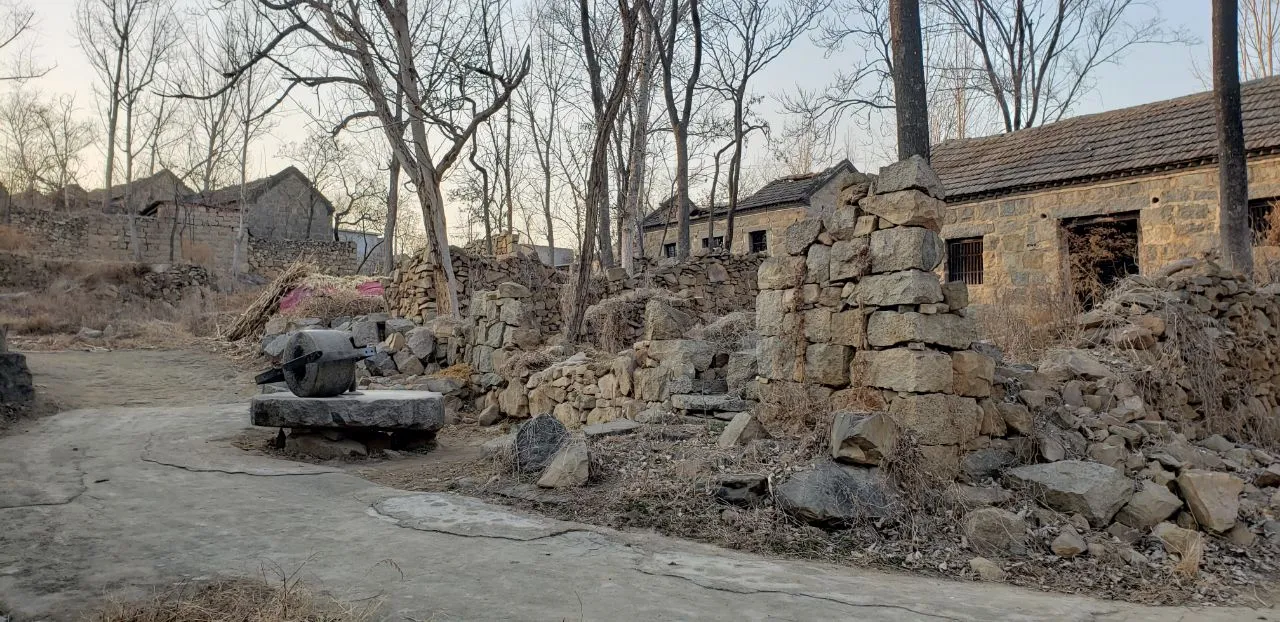
A Birthplace Without a Sense of Belonging
My hometown is a small village in Zaozhuang, Shandong Province.
To be honest, it was a poor place.
The hills were mostly bare rock, with very few trees.
Water came from wells, not taps.
Life was difficult, and opportunities were limited.
The main reason my parents left was simple:
There was no future there.
Few jobs, few factories, and little hope for upward mobility.
Because I spent only a few years there, I never developed a strong attachment to the place.
The only thing that still feels familiar is the local dialect.
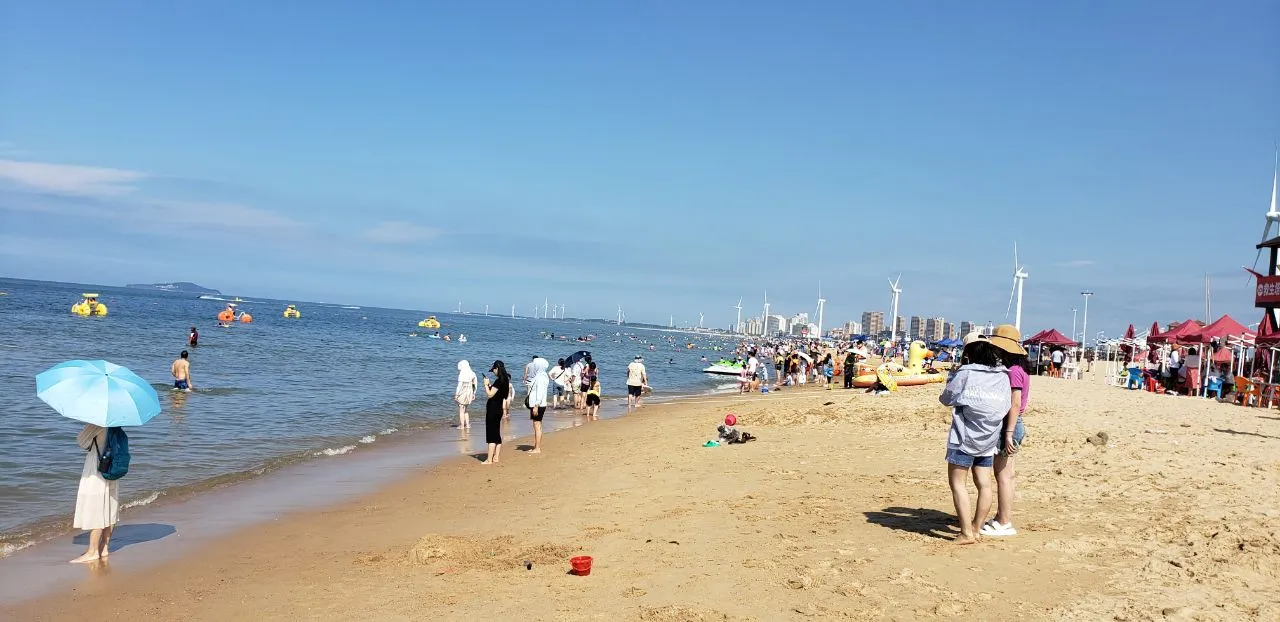
Weihai: The City That Raised Me
People often ask whether I like Weihai.
As a child, my answer would have been a firm “No.”
In fact, I hated it.
Shortly after we moved there, my younger brother and I were frequently bullied by older children.
My parents were honest and gentle people, but they were not the type to confront others.
Many times I cried and begged them to return to our hometown.
They never did.
I hated the children who bullied us.
And I hated myself as well.
I hated my lack of courage.
I hated my inability to protect my younger brother.
At the time, local people sometimes referred to newcomers like us as “people from the west.”
It sounded harmless on the surface, but it carried a clear sense of exclusion.
Only later did I realize that this was not unique to Weihai.
Everywhere Has Outsiders
For a long time, I thought only people in Weihai looked down on outsiders.
Then I lived in Beijing.
Then Qingdao.
And eventually, Japan.
I realized that every place has its own version of locals and outsiders.
I also saw stories of Chinese immigrants facing discrimination abroad.
The more I observed, the more I understood:
This is not a problem unique to one city or one country.
It is a universal part of human society.
The difference lies only in the degree.
The Migration That Changed My Family's Future
Although I spent nearly thirty years in Weihai, I never felt a deep sense of belonging there.
Yet as I grew older, I became increasingly grateful to my parents.
Their decision to leave our hometown and move to Weihai changed the trajectory of our family.
Life gradually improved.
Opportunities became more accessible.
Compared with many relatives who stayed behind, we had a better future.
That experience taught me an important lesson:
Hard work matters.
But choosing where to live matters too.
Sometimes, a single decision about where to settle can change the fate of an entire family.
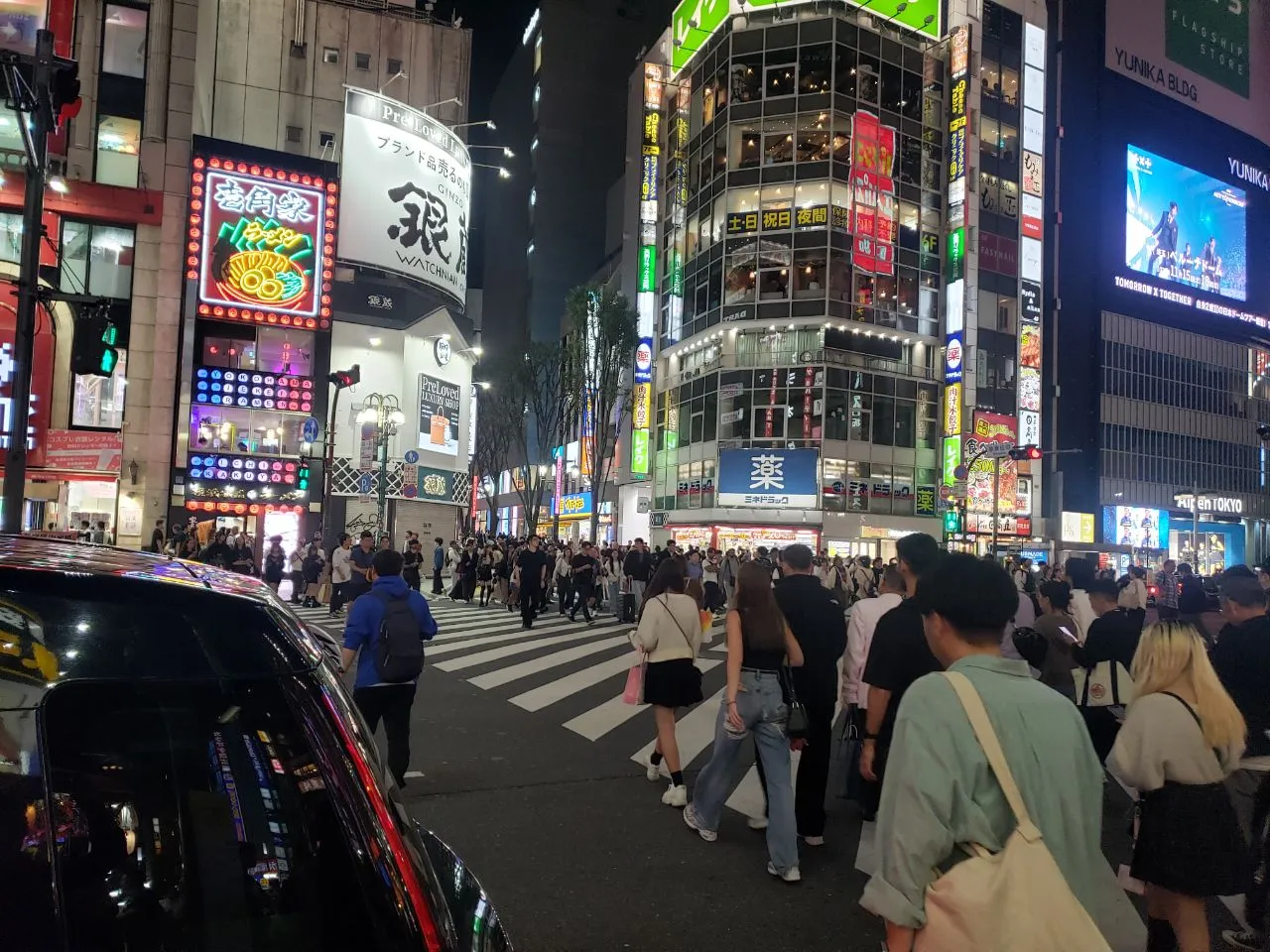
From Weihai to Tokyo
After high school, I moved to Beijing.
Not because I wanted to stay there forever.
I simply wanted to see more of the world.
Later, I moved to Qingdao, hoping to build my future there.
But reality did not match my expectations.
The cost of living was high.
Salaries were low.
And local favoritism was more common than I had imagined.
Eventually, I realized that nowhere in China truly felt like the place where I wanted to put down roots.
So I came to Japan.
I came to Tokyo.
Before leaving, I told my parents:
“You moved from your hometown to Weihai. I can move from Weihai to Tokyo.”
I want to build a life here.
Not only for myself.
But also for future generations of my family.
For my future children, if I have any.
For my nephews and nieces.
I want them to have more choices than I did.
Choosing Where You Belong
Over the years, I have come to believe something deeply:
Life is about pursuing a better future.
You cannot choose where you are born.
But you can choose where you live.
You are not defined by your birthplace.
You are defined by where you choose to build your life.
So if someone asks me where I am from today, my answer would be:
I was born in Shandong, China.
I grew up in Weihai.
I lived in Beijing and Qingdao.
Now I live in Tokyo.
And in the future, I hope to become a person who truly belongs to the place I have chosen.
Because you are not from where you were born.
You are from where you choose to belong.